
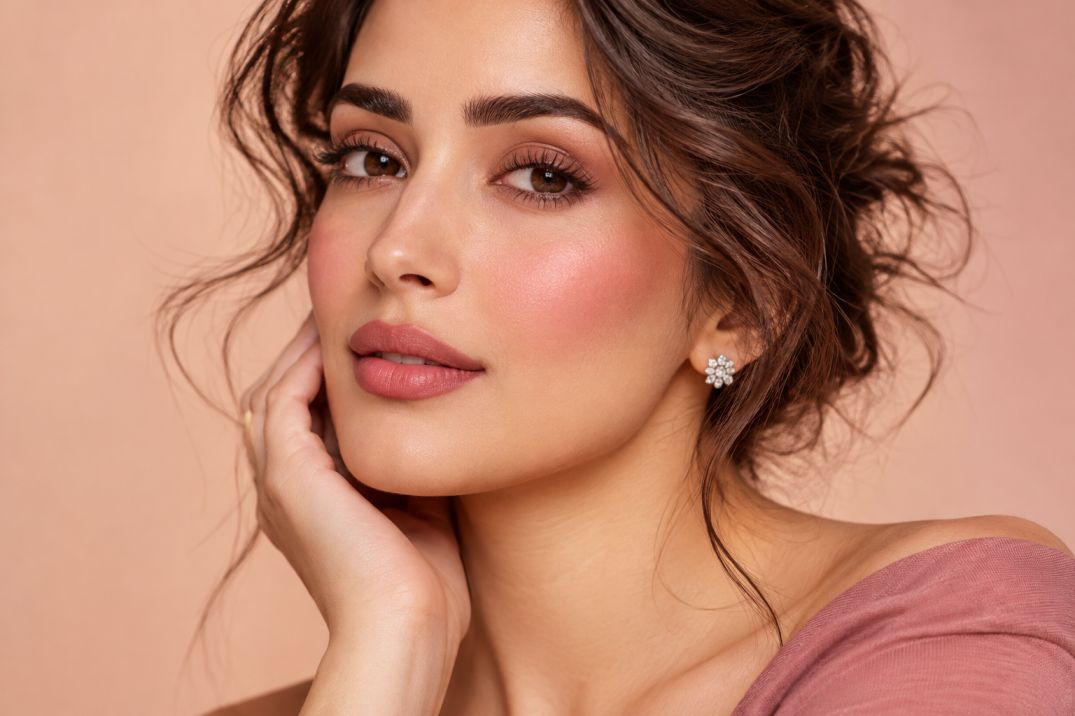
Some makeup trends are beautiful but difficult to wear in everyday life. Dusty rose blush is not one of them. This muted pink shade has become a favourite for creating soft, romantic cheeks without looking overly bright or dramatic.
Unlike bubblegum pink or coral blush, dusty rose has a slightly muted, mauve-like quality. It gives the cheeks a natural-looking flush that works beautifully with neutral eyeshadow, soft eyeliner and understated lip colours.
The best part? You do not need a complicated makeup routine to wear it. With the right shade, formula and placement, dusty rose blush can become one of the easiest ways to make your everyday makeup look more polished.
If you have been wondering how to wear dusty rose blush makeup, which shade suits your complexion or where to apply it for a naturally lifted effect, here is everything you need to know.

What Is Dusty Rose Blush?
Dusty rose is a muted pink shade with subtle mauve, beige or brown undertones. Think of a classic rosy pink with some of its brightness softened.
It sits somewhere between pink, mauve and rosewood, making it a versatile choice for both minimal and more polished makeup looks.
Unlike brighter pink blushes, dusty rose creates a softer effect. It adds colour without becoming the main focus of your makeup.
This shade works particularly well with:
- Neutral and brown eyeshadow.
- Soft brown or black eyeliner.
- Rosewood and pink-nude lipsticks.
- Natural-looking foundation.
- Soft matte and satin makeup finishes.
It is also a lovely option when you want something more sophisticated than peach blush but less dramatic than berry or plum.
How to Choose Dusty Rose Blush for Your Skin Tone
The secret to finding the right dusty rose blush is choosing a shade with enough depth to complement your complexion.
A colour that looks beautifully muted in its compact may appear too pale, too grey or too intense once applied. Here is a simple guide.
1. Dusty Rose Blush for Fair Skin
If you have fair skin, look for light dusty pink, soft rose or pale mauve shades.
These colours add a gentle flush without overpowering your complexion.
Try these shades:
- Light dusty pink.
- Soft cool rose.
- Pale mauve.
- Muted pink-beige.
A lightly pigmented cream or finely milled powder blush is a good starting point. Apply a little at a time and blend the edges carefully.
For everyday makeup, pair your blush with brown mascara, a soft pink lip and a light base.
2. Dusty Rose Blush for Medium Skin
Medium skin tones can beautifully carry classic dusty rose shades.
Look for medium-pigment rose colours with neutral or slightly warm undertones. If your complexion has olive undertones, a dusty rose with a little warmth can help prevent the colour from looking grey.
Try these shades:
- Classic dusty rose.
- Warm muted rose.
- Rose-mauve.
- Soft rosewood.
Cream and satin-finish blushes are particularly lovely for creating a natural-looking flush.
Pair the shade with soft brown eyeshadow and a rose-nude lipstick for an effortlessly coordinated look.
3. Dusty Rose Blush for Deep Skin
If you have deep skin, do not automatically reach for the palest dusty rose shade.
A lighter, grey-based pink may look ashy or disappear against a deeper complexion. Instead, look for richer versions of the same colour family.
Try these shades:
- Deep dusty rose.
- Berry rose.
- Rich rosewood.
- Muted plum-rose.
Choose a well-pigmented formula that blends smoothly. Cream and liquid blushes can work beautifully, while finely milled powders are another option.
The aim is to retain the muted, romantic character of dusty rose while choosing enough colour depth to make it visible.
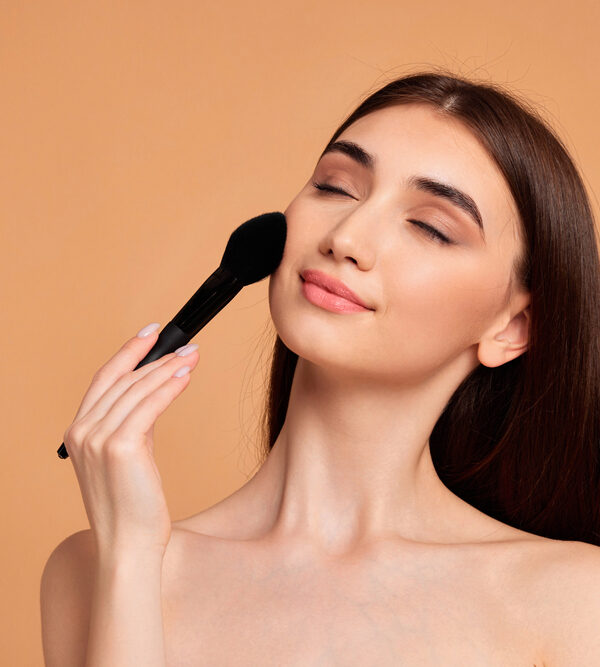
How to Apply Dusty Rose Blush for a Natural Flush
Even a beautiful blush can look unflattering when applied too heavily or in the wrong place.
The good news is that dusty rose is relatively easy to work with if you build the colour gradually.
Step 1: Prepare Your Skin
Start with your regular skincare routine and allow moisturiser and sunscreen to settle before applying makeup.
If you are wearing foundation, use a thin layer and blend it evenly. You do not need a completely matte base for this look.
Step 2: Choose Your Blush Formula
Cream blush gives a fresh, skin-like finish and is easy to blend with your fingers or a damp sponge.
Powder blush is convenient for building colour gradually and can work particularly well over a set base.
Liquid blushes are often highly pigmented, so begin with a very small amount.
Step 3: Apply to the Cheeks
For a fresh, youthful effect, place a small amount on the apples of your cheeks and blend outward.
For a more lifted appearance, start slightly higher on the cheekbones and blend upward towards the temples.
Avoid drawing a harsh line. The colour should gradually fade into the surrounding skin.
Step 4: Balance the Rest of Your Makeup
Dusty rose looks especially beautiful when the rest of your makeup stays in a similar colour family.
Try a soft brown eyeshadow, subtle mascara and a muted rose lip.
You can also keep the eyes almost bare and let your cheeks become the main feature.
3 Easy Dusty Rose Blush Makeup Looks to Try
Not sure how to incorporate this shade into your regular routine? Here are three easy combinations.
1. Soft Everyday Makeup
This is perfect for work, casual outings and daytime plans.
- Light foundation or skin tint.
- Soft dusty rose blush.
- Brown mascara.
- Nude pink lipstick.
- Lightly groomed brows.
The result is fresh, simple and polished without looking overly made up.
2. Romantic Monochromatic Makeup
A monochromatic makeup look uses similar colour families across the eyes, cheeks and lips.
Try:
- Muted rose eyeshadow.
- Dusty rose blush.
- Rosewood lipstick.
- Soft mascara.
Keep the intensity balanced so the different shades complement rather than compete with each other.
3. Soft Glam Makeup
For dinner, parties or special occasions, you can make dusty rose blush look more glamorous.
Pair it with softly defined eyes, a subtle highlight and a satin rose lipstick.
Add a little more blush intensity than you would for daytime, but blend the edges so the colour remains seamless.
Dusty Rose Blush vs Peach Blush: Which One Should You Choose?
Both shades are beautiful, but they create slightly different effects.
| Dusty Rose Blush | Peach Blush |
|---|---|
| Muted pink and mauve undertones | Warm orange-pink undertones |
| Romantic and understated | Fresh and sun-kissed |
| Pairs well with mauve and rose lips | Pairs well with coral and warm nude lips |
| Works beautifully with neutral makeup | Complements warm and bronze makeup |
Choose dusty rose when you want a softer, more sophisticated flush. Peach is a lovely choice when you want warmth and brightness.
You do not need to choose only one. Both can have a place in your makeup collection.
Common Dusty Rose Blush Mistakes to Avoid
A few small application mistakes can make this shade look less flattering.
Choosing a shade that is too pale: A very pale dusty pink may disappear on deeper skin or look grey against certain undertones. Try a richer rosewood or berry-rose alternative.
Applying too much product at once: Start with a small amount, particularly with liquid and cream formulas. You can always build the colour.
Blending too low: Keep the blush around the cheek area rather than dragging it down towards the jawline.
Ignoring the rest of your makeup: Dusty rose looks most harmonious when your lip and eye colours complement its muted quality.
Not checking the colour in natural light: Bathroom lighting can make blush look different. Check your final makeup near a window before heading out.
Frequently Asked Questions
Is dusty rose blush good for everyday makeup?
Yes. Its muted pink tone makes it suitable for everyday makeup, office looks and casual outings. Choose a softer shade and apply it lightly for a natural finish.
Does dusty rose blush suit warm undertones?
Yes. If you have warm undertones, look for dusty rose shades with a little warmth or brown in them rather than extremely cool, grey-based pinks.
Is cream or powder dusty rose blush better?
Both work well. Cream blush creates a fresh, skin-like finish, while powder blush offers convenient, buildable colour. Choose the formula that works best with your base makeup and skin preferences.
What lipstick goes with dusty rose blush?
Rosewood, muted pink, mauve, pink-brown and soft berry lip colours complement dusty rose beautifully. You can also wear a neutral nude lipstick for a minimal look.
Where should I apply dusty rose blush for a lifted look?
Place it along the upper cheekbone and blend upward towards the temples. Keep the edges soft for a natural-looking finish.
Final Thoughts
Dusty rose blush is one of those makeup shades that can make a simple beauty routine feel a little more special.
Whether you prefer a barely-there flush or a more defined romantic look, the trick is to choose the right depth for your complexion and blend the colour seamlessly.
You do not need a dozen products or complicated techniques. Sometimes, a little colour on the cheeks is all it takes to bring an entire makeup look together.
If you enjoy experimenting with wearable beauty trends, you may also like our guide to tired girl makeup and smudged eyeliner for another relaxed, slightly undone beauty look.



Leave a Reply