
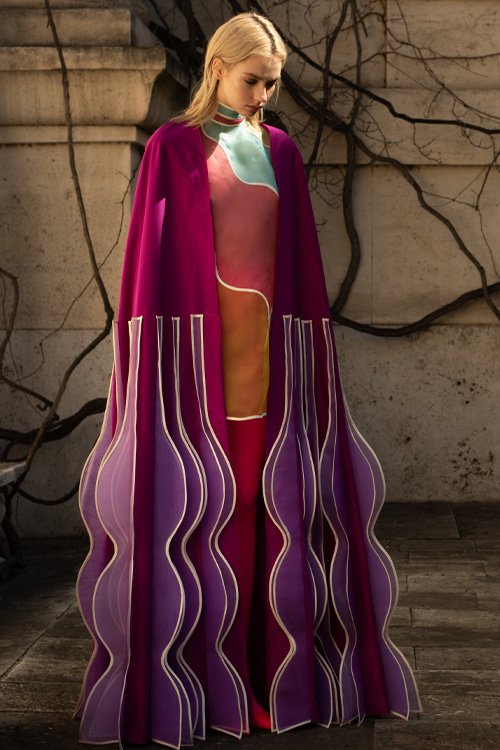


There’s a specific look you’ve probably clocked without knowing its name — oversized silhouettes, washed-out color palettes, graphics that feel equal parts nostalgic and rebellious. That’s Japanese streetwear, and it’s stopped being a niche import scene and become one of the most-copied aesthetics in casual fashion right now.

Why the Look Is Spreading So Fast
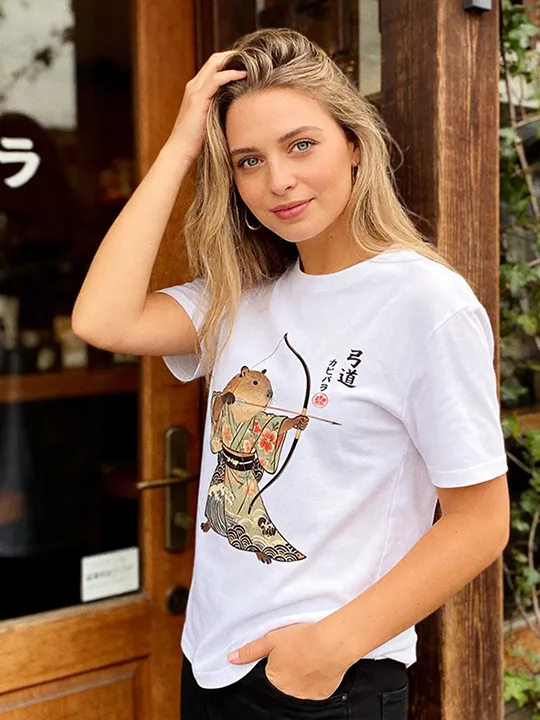
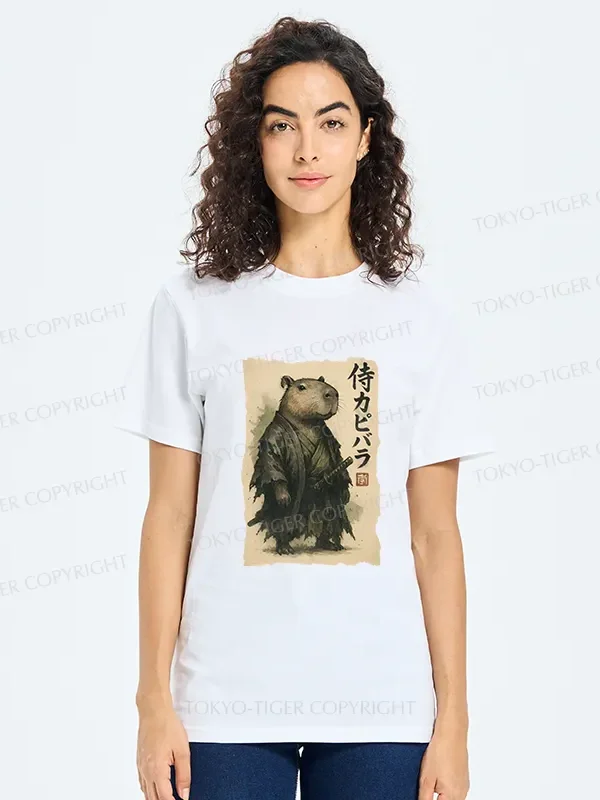
A lot of this comes down to how visually distinct Japanese streetwear is compared to standard Western basics. Where a lot of mainstream fashion chases minimalism, this scene leans into texture, layering, and detail — faded finishes, mismatched proportions, and graphics that reward a second look. It photographs well, which matters enormously in an era where style spreads through short-form video before it ever hits a physical store.
The Texture Factor
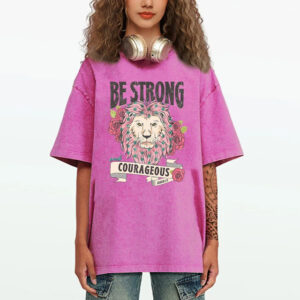
What makes the style stick isn’t just the graphics — it’s the finish. A lot of it comes down to treatment. Pieces that go through a proper wash process get that lived-in, slightly faded look that makes a shirt feel instantly broken-in, even brand new. It’s a small production detail, but it’s the difference between something looking cheaply printed and something looking genuinely designed with intention.
Mesh Makes a Comeback
Mesh has also had a real resurgence, especially in jersey-style tops. A good Japanese mesh jersey works layered over a tee in warmer months or on its own for something with a bit more edge — the breathable texture keeps it from feeling like a costume piece and makes it genuinely wearable in the heat, not just a going-out statement.

Building a Cold-Weather Rotation
Outerwear is where things get interesting once the temperature drops. Rather than reaching for a standard hoodie, a lot of people are gravitating toward washed sweatshirts with that same faded finish carried through from the summer pieces — it keeps an outfit cohesive across seasons without looking like it’s trying too hard or clashing with everything else in rotation.
Novelty Knitwear Has Its Moment
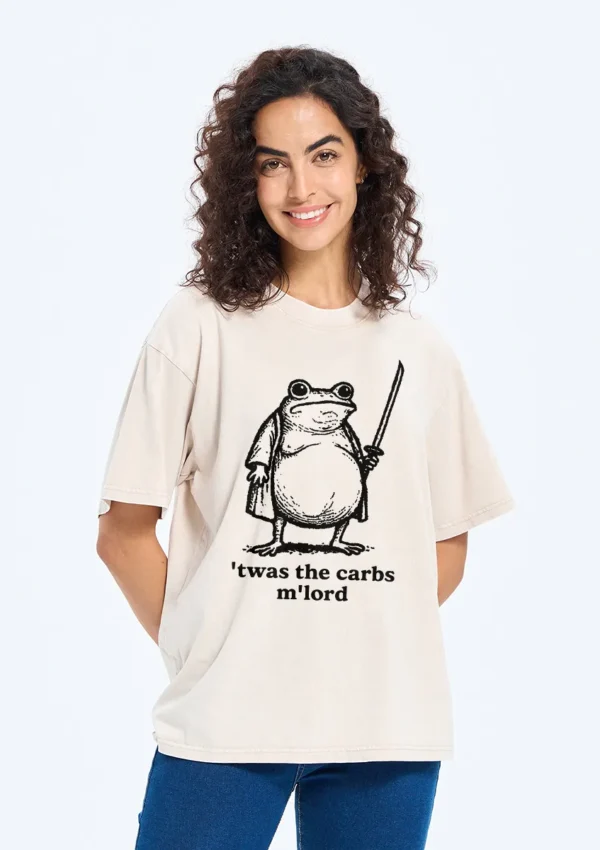
And for anyone who wants something a little more playful, novelty knitwear has become a genuine category of its own, not just a joke gift. A well-designed frog cardigan sounds like a punchline until you see it styled properly — suddenly it’s the most-commented-on piece in the outfit, and it proves that “cute” and “cool” aren’t actually opposites in this aesthetic.

What Ties It All Together
The throughline across all of it is intentionality. Japanese streetwear rewards people who care about texture, fit, and finish over just slapping a big logo on something and calling it a day. Every piece feels considered — the wash, the drape, the proportions — which is exactly why the look has staying power instead of being a fleeting trend cycle. It’s not about buying into a single silhouette; it’s about buying into a design philosophy, and that’s a much harder thing to age out of.

Leave a Reply