


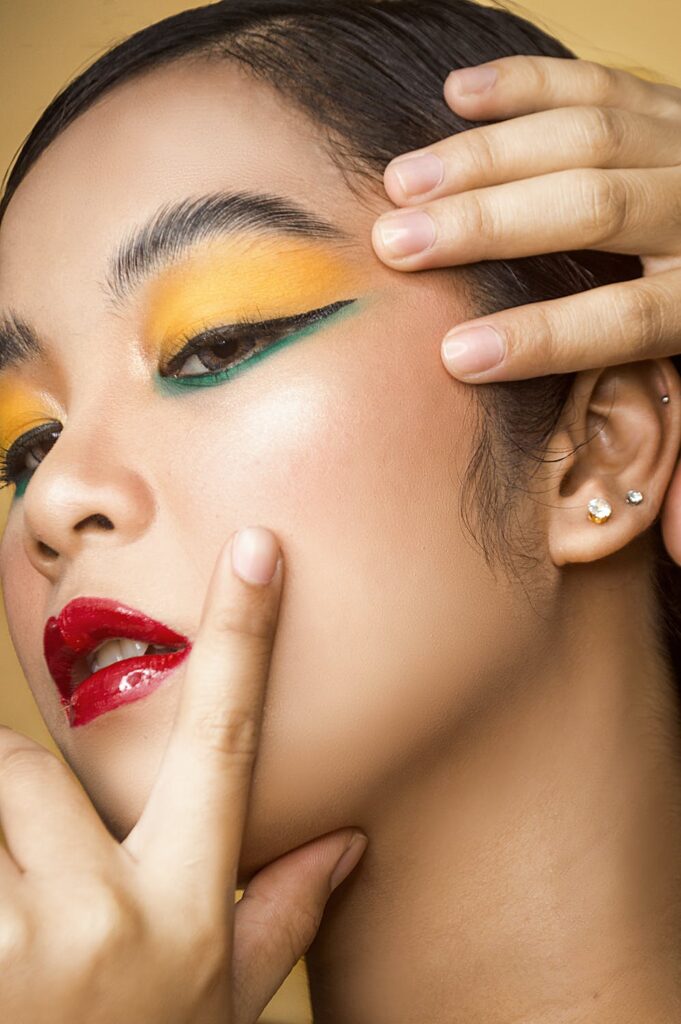
Skin doesn’t age on a schedule. One year everything looks fine, and the next you’re standing under bathroom lighting wondering when those fine lines around your eyes showed up. It happens to almost everyone, and it usually starts earlier than people expect — often in the late twenties, quietly, long before anyone’s ready to think about it.
The good news is that skincare has caught up. Serums today are formulated to work at a level moisturizers simply can’t reach, which is exactly why dermatologists keep recommending them as the first real step in an anti-aging routine. They’re concentrated, they’re fast-absorbing, and unlike heavier creams, they layer easily under makeup or SPF without leaving skin greasy.
This guide breaks down the best anti-aging serums to try in 2026, what ingredients actually matter, and how to fit them into a routine you’ll realistically stick to.
Why Serums Work Better Than Creams Alone
Moisturizers sit on the surface and lock in hydration. Serums, on the other hand, are built with smaller molecules and higher concentrations of active ingredients, so they penetrate deeper into the skin barrier. That’s where visible aging actually happens — collagen breakdown, pigment changes, loss of elasticity.
Using a serum without a moisturizer isn’t ideal either. The two work as a team: the serum treats, the moisturizer seals it in. Skip the serum, though, and you’re mostly just hydrating the surface without addressing what’s happening underneath.

What to Look for in an Anti-Aging Serum
Not every serum targets the same concern, so it helps to know what each ingredient actually does before buying based on packaging alone.
- Retinol – speeds up cell turnover and boosts collagen production; the most researched anti-aging ingredient available.
- Vitamin C – brightens skin, fades dark spots, and protects against environmental damage.
- Hyaluronic Acid – draws moisture into the skin, plumping fine lines from within.
- Peptides – signal skin to produce more collagen, improving firmness over time.
- Niacinamide – calms redness, minimizes pores, and strengthens the skin barrier.
Most dermatologists suggest choosing one primary active ingredient at a time rather than layering five serums at once. Skin can only absorb so much, and combining too many actives — especially retinol with vitamin C — can cause irritation instead of results.
10 Best Anti-Aging Serums to Try in 2026
1. Retinol-Based Night Serum
Best for fine lines, texture, and overall cell renewal. Start with two to three nights a week to let skin adjust, then build up. Always follow with moisturizer and never skip SPF the next morning, since retinol increases sun sensitivity.
2. Vitamin C Brightening Serum
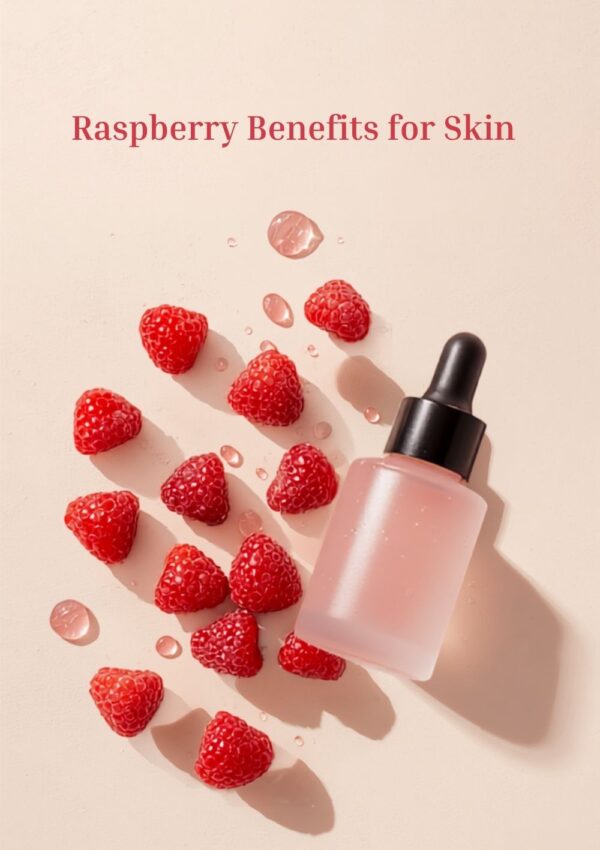
Ideal for dullness, uneven tone, and early sun damage. Apply in the morning under sunscreen for the added antioxidant protection throughout the day. If you’d rather start with something gentler than a serum, raspberries applied topically offer a similarly vitamin-C-rich, natural alternative worth trying first.
3. Hyaluronic Acid Hydration Serum
Perfect for anyone dealing with dryness alongside fine lines. Apply to slightly damp skin so it has moisture to draw from — on completely dry skin, hyaluronic acid can pull moisture from deeper layers instead.
4. Peptide Firming Serum
Best suited for skin that’s starting to lose bounce and firmness, particularly around the jawline and cheeks. Peptides work gradually, so consistency matters more than concentration here.
5. Niacinamide Serum
A good all-rounder for sensitive or reactive skin that can’t tolerate stronger actives yet. It calms inflammation while still supporting the skin barrier long-term.
6. Bakuchiol Serum (Retinol Alternative)
For those who find retinol too harsh or who are pregnant or breastfeeding, bakuchiol offers similar collagen-boosting benefits with far less irritation.
7. Ceramide-Infused Repair Serum
Focused on strengthening the skin barrier itself, which is often overlooked in anti-aging routines. A compromised barrier makes every other sign of aging look worse, so repairing it first can improve results across the board.
8. Growth Factor Serum
A newer category gaining traction for stimulating collagen production directly. Best layered under a moisturizer at night, and best suited for those already comfortable with an established routine.
9. Vitamin E and Antioxidant Blend Serum
Great as a finishing layer, especially for skin exposed to pollution or long screen time. Antioxidants help neutralize the free radical damage that accelerates visible aging.
10. Multi-Peptide Eye Serum
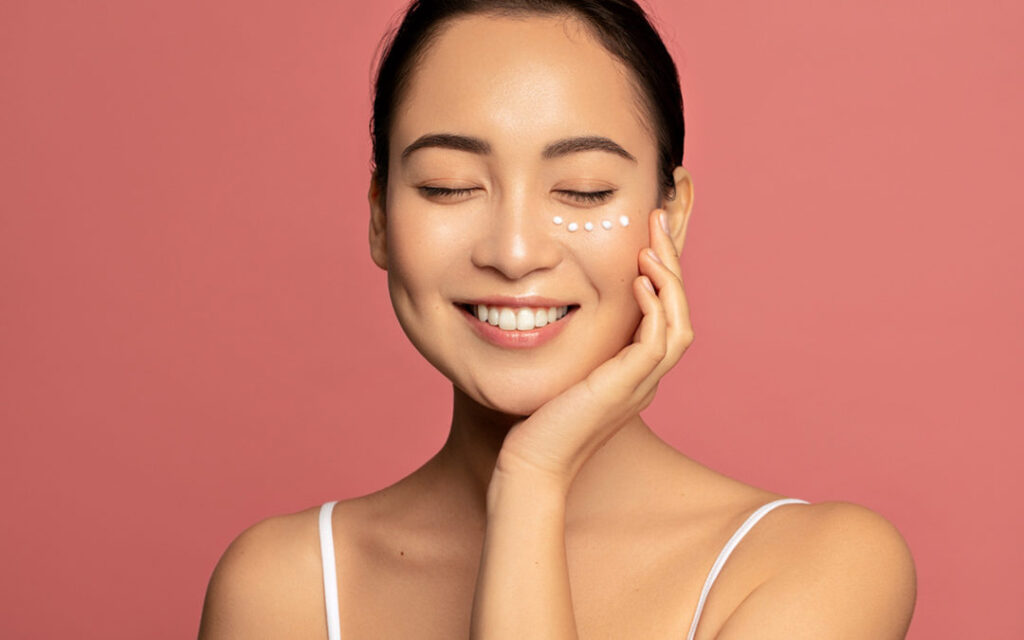
The eye area shows aging first, so a dedicated peptide eye serum — used gently with the ring finger — can noticeably soften crow’s feet and puffiness over a few weeks.
Building a Simple Anti-Aging Routine
A routine doesn’t need ten steps to work. A realistic, effective structure looks like this:
Morning: Cleanser → Vitamin C serum → Moisturizer → SPF Night: Cleanser → Retinol or peptide serum → Moisturizer
Consistency beats intensity every time. A basic four-step routine followed daily will outperform an elaborate ten-step routine used twice a week.
How Long Until You See Results
Most anti-aging serums take four to twelve weeks of consistent use before changes become visible. Retinol and peptides work on the skin’s renewal cycle, which naturally takes time. Trying a new serum for a week and giving up isn’t long enough to judge whether it’s working — most people quit right before results would have started showing.
Related Reads
- Strawberry Benefits for Skin: Get the Glowing and Clear Skin Naturally
- Blueberry Benefits for Skin: Why This Superfruit Is Secretly Your Skin’s Best Friend
Frequently Asked Questions
Can I use vitamin C and retinol together? It’s generally better to separate them — vitamin C in the morning, retinol at night. Using both at once can increase irritation, especially for beginners.
What age should you start using anti-aging serums? Most dermatologists recommend starting preventive ingredients like vitamin C and peptides in the mid-to-late twenties, with retinol introduced gradually from the late twenties or early thirties onward.
Do anti-aging serums really work? Yes, when the ingredients are backed by research — retinol, peptides, and vitamin C all have strong clinical evidence behind them. Results depend heavily on consistent use and pairing the serum with SPF during the day.
Is it necessary to use both a serum and a moisturizer? Yes. A serum treats specific concerns, while a moisturizer locks that treatment in and prevents water loss. Skipping either one reduces the effectiveness of the other.


Leave a Reply